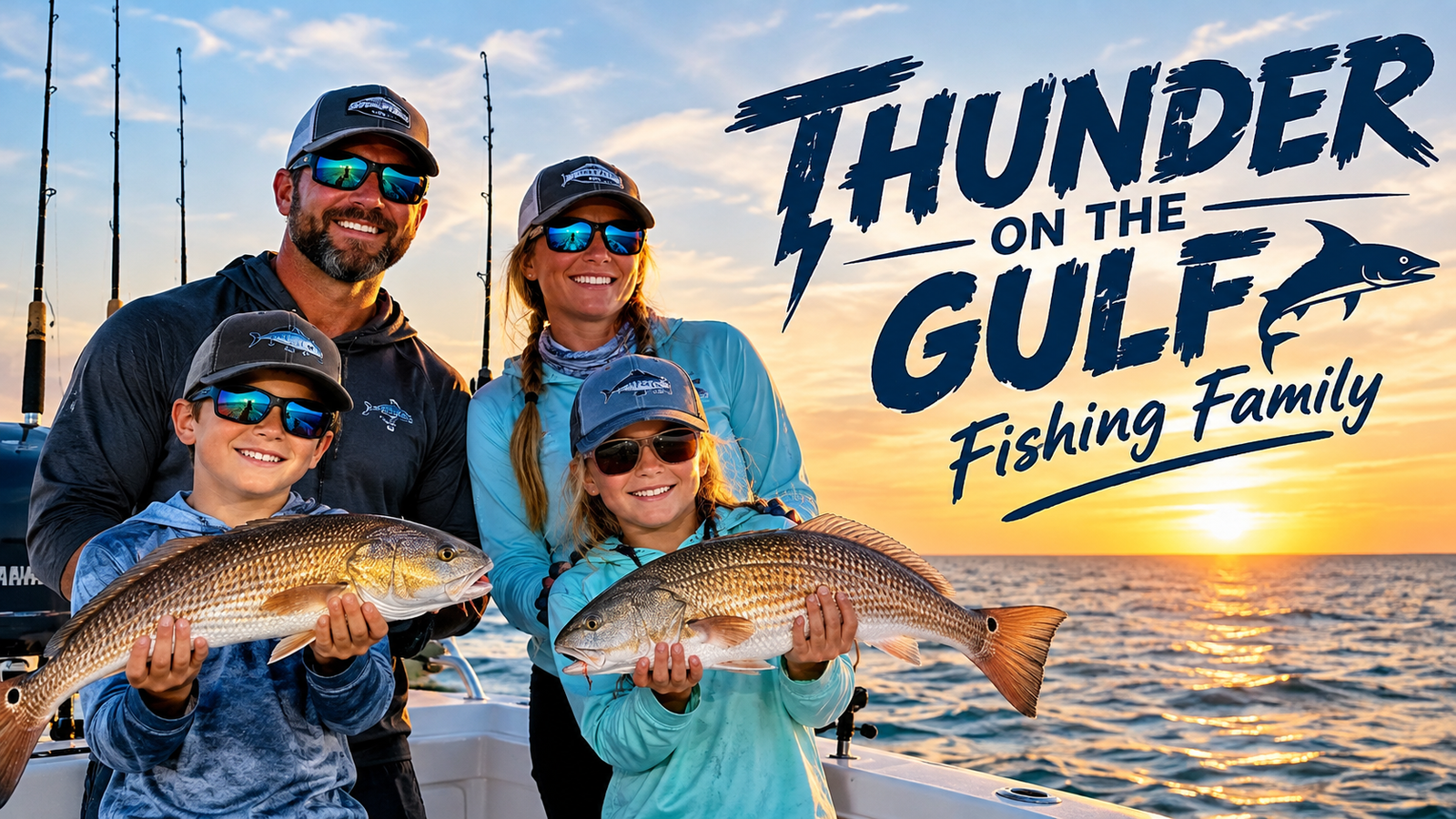
Planning a Thunder OnTheGulf fishing family adventure can be an exciting way to combine fishing, coastal scenery, and quality time outdoors. But when children are involved, a successful trip takes more planning than simply choosing a fishing spot and bringing a rod.
Families need to consider the type of fishing, weather, location, equipment, fishing regulations, trip length, and what children can realistically handle. Whether you are researching Thunder on the Gulf 2026, looking for a family-friendly beach experience, or simply planning a Gulf Coast fishing day, the right preparation can make the outing safer and more enjoyable.
This guide explains how to plan a family fishing adventure, choose the right fishing style, prepare children, manage costs, and build a backup plan if conditions change.
What Does “Thunder OnTheGulf Fishing Family” Mean?
The phrase Thunder OnTheGulf fishing family can refer to searches surrounding Gulf Coast fishing, family activities, and Thunder OnTheGulf-related events or experiences. Because online descriptions can vary, travelers should verify the official event name, location, dates, and schedule before making reservations.
If you are specifically researching Thunder on the Gulf 2026, check current official event information rather than relying only on older blog posts or third-party pages. This is especially important when planning around an event schedule, beach access, road closures, or other activities.
For a family fishing trip, the more important question is often practical: What type of Gulf Coast fishing experience will work best for everyone in the family?
That depends on the children’s ages, fishing experience, available time, weather, and comfort level on or near the water.
Why Gulf Coast Fishing Can Be Great for Families
Family fishing is about more than catching a large fish. It gives children an opportunity to learn about marine life, practice patience, and spend time outdoors away from screens.
A successful trip might involve catching several fish, spotting coastal wildlife, learning how bait works, or simply enjoying time beside the water.
The key is to set realistic expectations.
Young children may not want to sit quietly for four or five hours waiting for a bite. A shorter trip with breaks can be more enjoyable than an ambitious full-day excursion.
Parents should also look for family-friendly facilities such as:
- Easy parking and access
- Restrooms
- Shaded areas
- Nearby food and water
- Safe fishing platforms
- Appropriate safety equipment
- Shorter fishing options
Choose the Right Type of Family Fishing
Not every fishing environment is equally suitable for children. Consider the differences before booking.
| Fishing Type | Best For | Typical Duration | Difficulty | Family Consideration |
| Beach fishing | Casual beginners | 1–3 hours | Easy | Simple and flexible |
| Pier fishing | Young children | 1–4 hours | Easy | Easy to take breaks |
| Inshore fishing | Families wanting a boat | 3–5 hours | Easy–Moderate | Often a manageable introduction |
| Nearshore fishing | Older children and teens | 4–6 hours | Moderate | Longer time on the water |
| Offshore fishing | Experienced families | 6+ hours | Moderate–Advanced | Requires greater comfort and preparation |
These are planning ranges rather than guarantees. Actual trip length and conditions depend on the location, operator, weather, and type of fishing.
Beach Fishing
A Thunder onthegulf beach experience can be a practical option for families who want flexibility. Parents can shorten the session if children become tired, and there is no need to remain on a boat for the entire trip.
Beach fishing can also be combined with swimming, walking, shell collecting, or other coastal activities where permitted.
Pier Fishing
Piers can be useful for families who want a structured fishing environment without committing to a boat trip. However, parents should keep children away from hooks, railings, and crowded areas.
Inshore Fishing
Inshore trips can offer a middle ground between shore fishing and a long offshore excursion. They may be suitable for families who want the experience of being on a boat without spending an entire day offshore.
Offshore Fishing
Offshore fishing can provide a bigger adventure, but it is not automatically the best choice for every family. Longer boat rides, waves, heat, and motion can be difficult for younger children.
Choose this option based on experience and comfort rather than simply choosing the longest trip available.
How to Choose a Family-Friendly Fishing Location
When comparing Gulf Coast fishing locations, look beyond the fish available.
Ask:
- Is parking convenient?
- Are restrooms nearby?
- Is there shade?
- How far is the fishing area from the car?
- Is the water condition appropriate for the family?
- Are children likely to have enough space?
- Is there somewhere to take a break?
- Are local fishing rules clearly posted?
For a family with toddlers, convenience can matter more than the possibility of catching a trophy fish.
For teenagers and experienced anglers, access to more challenging fishing may become more important.
What Fish Can Families Catch?
The species available depend on the exact Gulf Coast location, season, water conditions, and fishing method.
Depending on the area, families may encounter species such as:
- Redfish
- Speckled trout
- Flounder
- Sheepshead
- Snapper
- Grouper
- Spanish mackerel
Don’t promise a particular species unless local regulations and seasonal information support the claim.
Alabama’s official saltwater resources provide current information on species regulations, size limits, seasons, and other requirements.
For children, the best target is not necessarily the biggest fish. A species that provides more manageable fishing action can create a more enjoyable first experience.
When Should Families Go Fishing?
There is no single perfect date for every Gulf Coast fishing trip.
Families should consider:
- Seasonal fish activity
- Air temperature
- Wind
- Waves
- Rain
- Storm conditions
- Tides where relevant
- Local fishing reports
- Availability of guides or charters
Summer trips may require an early start because of heat and strong sun exposure. Spring and fall can offer more comfortable conditions, but weather still needs to be checked before departure.
If a thunderstorm or unsafe weather develops, postponing the trip is more important than keeping a reservation.
How to Plan a Thunder OnTheGulf Family Fishing Trip
A simple planning process can prevent most common problems.
Step 1: Consider the Children’s Ages
A fishing plan for a four-year-old should not be identical to one designed for teenagers.
Young children generally benefit from shorter activities, easy access, frequent breaks, and simple equipment.
Older children may enjoy longer trips and learning more advanced techniques.
Step 2: Choose the Fishing Style
Decide between beach, pier, inshore, nearshore, or offshore fishing.
Use the family’s comfort level rather than choosing based only on the potential catch.
Step 3: Check Local Regulations
Fishing rules vary by location and species.
For example, Alabama requires a saltwater fishing license for people fishing or possessing fish in its saltwater areas, with exemptions including non-residents and residents under 16 under the state’s stated conditions. Alabama also has separate rules concerning Gulf reef fish.
Always check the latest official regulations before fishing because seasons, limits, and requirements can change.
Step 4: Check the Weather
Review the forecast shortly before leaving and follow any safety instructions from the fishing operator.
Step 5: Prepare the Kids
Explain what will happen before the trip.
Tell children that fishing involves waiting and that catching a fish is not guaranteed.
Step 6: Have a Backup Plan
A family day does not have to end because the fish aren’t biting.
Consider adding a beach walk, coastal sightseeing, wildlife watching, or another family-friendly activity.
What Does a Family Fishing Trip Cost?
The total cost depends heavily on whether you fish from shore or hire a charter.
Instead of focusing only on the advertised fishing price, calculate the complete trip budget.
| Expense | What to Check |
| Charter | Private or shared? |
| Fishing gear | Included or extra? |
| Bait | Included? |
| License | Required for your situation? |
| Transportation | Fuel, parking, or taxi costs |
| Food | Bring your own or buy locally |
| Fish cleaning | Included or additional? |
| Gratuity | Expected by the operator? |
| Accommodation | Needed for an overnight trip? |
A lower advertised charter price is not necessarily cheaper after equipment, bait, transportation, and other extras are included.
What to Pack for a Family Fishing Adventure
A practical packing list should include more than fishing equipment.
Fishing Essentials
- Rod and reel
- Appropriate tackle
- Bait or lures
- Pliers
- Cooler where appropriate
Family Essentials
- Plenty of drinking water
- Snacks
- Sunscreen
- Hats
- Sunglasses
- Extra clothing
- Towels
- Waterproof bags
Child Safety Items
Children should have properly fitted safety equipment appropriate to the activity and follow the operator’s instructions.
Parents should also keep hooks, knives, and other sharp fishing equipment away from children when not being actively used.
How to Keep Kids Interested While Fishing
One of the biggest mistakes families make is expecting children to remain focused on fishing for hours.
Give children small responsibilities.
They can:
- Watch the bobber
- Help identify fish
- Learn basic fishing terminology
- Observe birds and marine life
- Help organize safe equipment
- Take photographs
- Keep a simple species checklist
You can also create a small challenge such as identifying three different types of wildlife.
This changes the experience from simply waiting for a bite into an outdoor learning activity.
Family Fishing Safety Tips
Safety should come before the size of the catch.
Before leaving, check weather conditions, confirm emergency information, and make sure required equipment is available.
On a boat, children should follow the captain or crew’s instructions at all times. Parents should actively supervise children around railings, fishing hooks, lines, and moving equipment.
Sun and heat also deserve attention. Carry water, use sun protection, and take breaks when necessary.
Families should also check current local fishing rules. Alabama’s official resources provide current saltwater regulations and links to seasonal closures and updates.
Questions to Ask Before Booking a Fishing Charter
Before paying a deposit, ask:
- Is the trip private or shared?
- What is the minimum age?
- Is fishing equipment included?
- Is bait included?
- Are child-sized safety devices available?
- How long is the actual fishing time?
- How long is the boat ride?
- Which species are normally targeted?
- Are fishing licenses included?
- What happens if weather makes the trip unsafe?
- Is fish cleaning available?
- What should families bring?
Clear answers can help prevent unpleasant surprises on the day of the trip.
Example Family Fishing Plans
Family With Young Children
Choose a short beach, pier, or calm-water experience. Bring snacks and plan another activity nearby.
Family With School-Age Children
A half-day fishing experience can provide enough time to learn basic techniques without making the day exhausting.
Family With Teenagers
If everyone is comfortable on the water, consider a longer inshore, nearshore, or offshore trip based on local conditions and operator recommendations.
Mixed-Age Family
Choose flexibility over intensity. A location that allows some family members to fish while others take a break can work better than a long trip with no easy exit.
What If the Fish Aren’t Biting?
Fishing is unpredictable. A slow day doesn’t have to become a bad family day.
Turn the experience into a broader coastal adventure.
Try:
- Wildlife spotting
- Photography
- Fish identification
- Learning simple knots
- Beach exploration
- A picnic
- Coastal sightseeing
For children, the experience of being outdoors can be valuable even when the cooler is empty.
Practice Responsible Fishing
Teach children to respect the marine environment from the beginning.
Follow local size and possession limits, release protected species correctly, and avoid leaving fishing line, hooks, bait containers, or plastic behind.
Regulations can vary by species and location, so use current official guidance rather than an old fishing blog. Alabama’s Marine Resources Division publishes current saltwater regulations and fishing access information.
Common Family Fishing Mistakes
Avoid these common problems:
Booking Too Long a Trip
A six-hour trip may sound exciting but can be difficult for a young child.
Ignoring the Weather
Never prioritize a reservation over safe conditions.
Packing Too Much
Families often bring unnecessary equipment. Ask the operator what is already provided.
Forgetting Sun Protection
Sun exposure can quickly turn an enjoyable outing into an uncomfortable one.
Expecting Constant Action
Fishing includes waiting. Prepare children for that reality.
Not Checking Regulations
Licenses, seasons, size limits, and bag limits can change. Verify current rules before fishing.
Choosing Only by Price
Consider safety, equipment, experience, duration, and family suitability alongside cost.
A Simple One-Day Family Fishing Itinerary
Here is an example rather than an official Thunder OnTheGulf schedule:
| Time | Activity |
| 7:00 AM | Breakfast and final packing |
| 8:00 AM | Arrive at fishing location |
| 8:15 AM | Safety briefing |
| 8:30 AM | Start fishing |
| 10:00 AM | Water and snack break |
| 11:30 AM | Finish fishing |
| 12:00 PM | Family lunch |
| 1:30 PM | Beach or coastal activity |
| 3:00 PM | Head home |
The goal is to leave room for breaks rather than filling every minute with fishing.
Frequently Asked Questions
Is Thunder OnTheGulf suitable for families?
The suitability depends on the specific activity, location, and event or fishing experience being referenced. Families should verify current details and choose activities based on children’s ages and comfort levels.
What is the best fishing option for young children?
Beach or pier fishing can be easier because families can take breaks and leave without spending an entire day on a boat. A short inshore trip may also work for children who are comfortable on the water.
Do children need a fishing license?
Requirements depend on the location and age of the child. In Alabama saltwater areas, people under 16 are generally exempt from the saltwater license requirement under the state’s stated rules. Always check current regulations before fishing.
What should children bring fishing?
Water, snacks, sunscreen, a hat, sunglasses, extra clothing, and appropriate safety equipment are useful starting points. The fishing operator can confirm which tackle and equipment are already supplied.
What if the weather becomes unsafe?
Contact the fishing operator and follow their safety policy. A trip should be postponed or cancelled when conditions are unsafe rather than taking unnecessary risks.
How long should a family fishing trip last?
There is no universal ideal length. Younger children may enjoy a shorter one-to-three-hour outing, while older children and experienced families may prefer a half-day or longer trip.
How can parents keep children interested?
Give children simple responsibilities, encourage wildlife observation, take breaks, and create activities around the fishing experience instead of making the number of fish caught the only goal.
Conclusion
A successful Thunder OnTheGulf fishing family adventure is less about catching the biggest fish and more about choosing an experience that fits the entire family. Consider the children’s ages, fishing style, weather, safety, local regulations, equipment, and trip length before you go.
If you’re planning around Thunder on the Gulf 2026, verify the latest official schedule and event information first. Then build a realistic fishing plan with a backup activity so the family can enjoy the Gulf Coast even when conditions or fishing results don’t go exactly as expected.