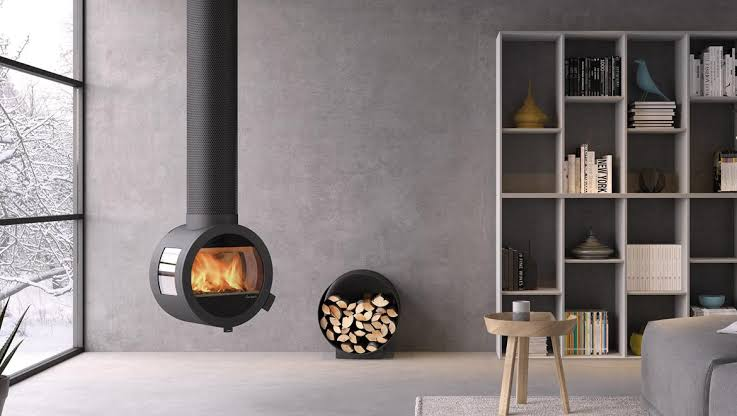
A wood-burning stove can turn a new loft room or extension into the cosiest space in the house. It adds warmth, atmosphere and a real sense of character. But a stove is not something you can simply add later without thought.
A stove needs a flue, a safe hearth and correct installation. Planning it during the build is far easier and cheaper than adding it once the work is finished. Here is what to consider.
Step 1: Plan your project with the right builder
Loft conversions are one of the best ways to add space without losing garden. Dormer, hip-to-gable, mansard and Velux conversions each suit different roofs and budgets. Extensions offer more ground-floor living space.
Whatever you choose, an experienced builder will manage the drawings, building control and any planning or party wall notices for you. Ascent Builders specialises in loft conversions in Surrey and South London, with fixed pricing after a free home visit and over 20 years of experience.
Step 2: Work out the flue route
Every wood-burning stove needs a way to get smoke out of the house safely. In an extension, this is usually a twin-wall flue system that runs up the outside wall or through the roof. In a loft conversion, you may be able to use an existing chimney, or install a new flue through the roof.
Raise this at the design stage. Your builder can plan the route, keep it clear of timbers and allow for the roof work while it is already open.
Step 3: Meet the safety rules
Stove installations must follow Building Regulations. That means:
- A non-combustible hearth of the right size under and in front of the stove.
- Safe clearances from walls, beams and other combustible materials.
- A carbon monoxide alarm in the same room.
- Fitting by a HETAS registered installer, or sign-off by building control.
If you live in a smoke control area, which covers much of London, choose a DEFRA-exempt stove that is approved for use there.
Step 4: Choose the right stove for the room
Bigger is not always better. A stove that is too powerful will make a small loft room uncomfortably hot. Match the heat output to the size of the room, and think about whether you want wood only, multi-fuel or a gas model.
Stoves4Life stocks stoves from leading brands, including discounted wood burners at up to 70% off RRP, with free delivery to mainland UK and some models available next day.
Your stove planning checklist
- Tell your builder you want a stove before the plans are final.
- Agree the flue route while the roof or walls are open.
- Plan the hearth, clearances and a carbon monoxide alarm.
- Choose a stove sized for the room and use a HETAS installer.
With a little planning, your new loft room or extension can have a stove that keeps it warm and welcoming for years.