
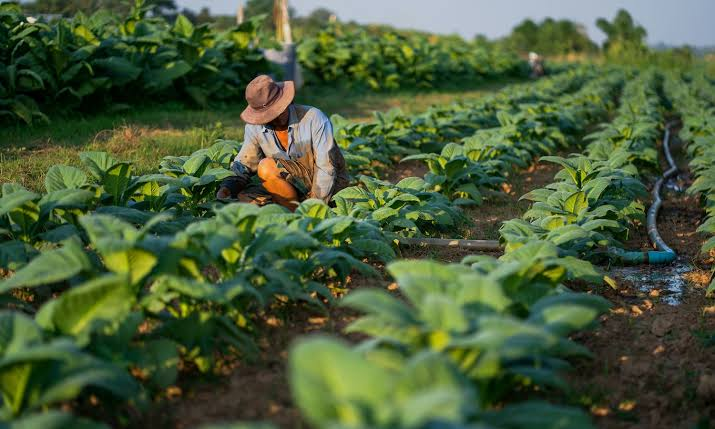
Agriculture can seem far removed from the subjects that dominate lifestyle and sports coverage. Yet the clothes people wear, the food athletes rely on and the health of rural communities all begin, in part, with decisions made on farms. Looking more closely at those connections gives writers and readers a richer picture of everyday life—and offers practical stories that can reach beyond the farming press.
What we wear starts somewhere
Clothing is often discussed in terms of design, price and trends, but its raw materials have their own stories. Cotton, wool, leather and linen pass through complex supply chains before becoming garments. The way these materials are grown, raised, processed and transported can affect their cost, durability and environmental impact.
That does not mean every fashion article needs to become a technical report. A useful piece might compare the care and longevity of wool and synthetic knitwear, explain what labels can—and cannot—tell shoppers, or follow the journey from a sheep farm to a local clothing maker. The aim is to give readers enough context to make informed choices, without suggesting that one material or purchase solves every problem.
There is also a strong human angle. Rural producers, textile workers, designers and repair specialists can describe how changing consumer habits affect their livelihoods. Their experiences bring texture to a conversation that might otherwise revolve around seasonal collections and celebrity outfits.
Food, training and the sporting life
Sport offers another natural route into agriculture. Training plans may be designed in gyms and kitchens, but ingredients come from farms, fisheries and food processors. For athletes, access to nourishing food matters; so do affordability, availability and the cultural traditions that shape what people eat.
A thoughtful sports feature can examine the practical links between local food and performance without making extravagant promises about a particular ingredient. It might look at how community clubs provide meals for young players, how seasonal produce is used in a team kitchen, or what obstacles rural athletes face when healthy food shops are far away. These stories connect the excitement of competition with the systems that support people before and after the final whistle.
Grassroots sport can also matter to farming communities in its own right. Agricultural work can involve long hours and physical demands, while clubs create places to meet, compete and spend time together. Reporting on a village team or a rural sports event can reveal how local identity is maintained, especially where services and gathering places have become less accessible.
Making agricultural stories accessible
Good coverage begins with a clear question. Rather than trying to explain the whole food or fashion supply chain at once, choose one issue and show how it affects readers. Explain unfamiliar terms, distinguish evidence from opinion, and include people with different roles in the subject. A farmer’s account, for example, may be complemented by a buyer’s perspective or an independent specialist’s explanation of relevant standards.
Writers who want their work to reach audiences beyond agriculture can explore agriculture guest-posting websites and consider which publications are a genuine match for the story. A piece about fibre and clothing may suit a fashion readership; a report on food access and youth sport could fit a general-interest or sports outlet. The publication should shape the approach, not dilute the reporting. Readers are more likely to stay with a subject when its relevance is clear from the opening paragraphs.
Choosing a suitable outlet also means checking its audience, editorial style and submission expectations. A technically sound article can still miss the mark if it assumes specialist knowledge that the publication’s readers do not have. Conversely, stripping out every detail can make a story feel vague. The balance is to explain the farming context while keeping the central human question in view.
Useful work behind the finished article
Producing a strong feature may involve more than writing. A journalist or small publisher might need help with research, editing, illustration, photography or page design. When a particular skill is missing, a freelance marketplace such as Osdire can be one place to look for independent contributors across creative and technical fields. As with any marketplace, it is sensible to agree on the scope, deadlines and approval process before work begins.
Those practical arrangements matter because specialist subjects deserve careful handling. Images should represent the people and places discussed honestly; data should be checked; and contributors should understand the intended audience. A polished presentation can help a story travel, but accuracy and a clear point of view are what make it worth reading.
A wider view of everyday culture
Agriculture is not a separate niche with little to say to the rest of society. It shapes materials, meals, jobs and landscapes that people encounter every day. By connecting farming to fashion, sport and community life, writers can make familiar subjects more revealing and agricultural issues easier to understand.
The best stories do not force those links. They find a real point of contact, ask specific questions and let the people closest to the issue explain what is changing. That approach serves specialist readers while inviting a broader audience to notice how much of modern life begins in the field.