
Health savings accounts and high deductible health plans are often discussed together because eligible individuals can use an HSA to prepare for certain healthcare expenses. Understanding how these two tools work together can help consumers decide whether this type of coverage fits their financial situation.
A High Deductible Health Plan generally has a higher deductible than some traditional insurance plans and may have a lower monthly premium. The exact structure varies, so consumers should review the individual plan rather than assuming all high deductible plans operate identically.
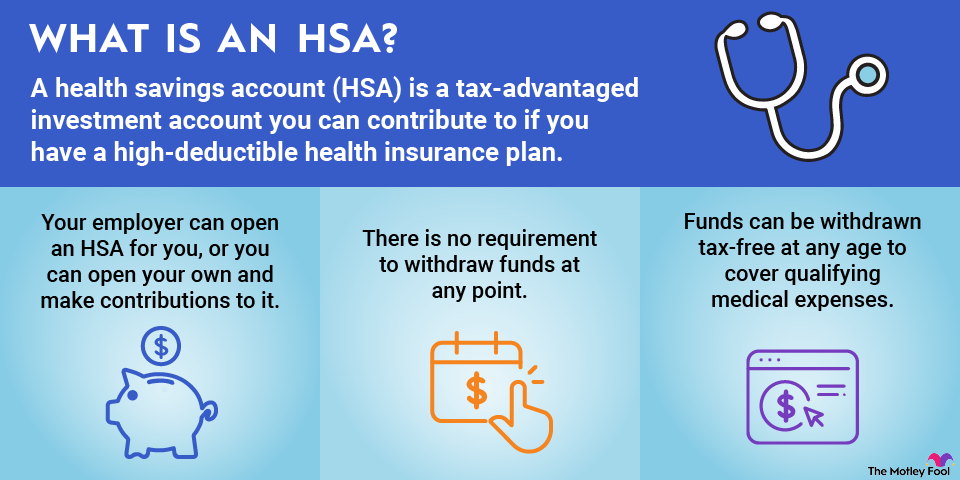
An HSA is a separate financial account available to eligible individuals who meet applicable requirements. It can be used to save for qualified medical expenses, subject to federal rules concerning contributions and withdrawals.
An HSA can be useful for people who want to set aside money specifically for qualified healthcare expenses. Consumers should verify their current eligibility and understand applicable tax rules before contributing.
One reason people consider this combination is the ability to save money specifically for healthcare expenses. Instead of relying entirely on a checking account when a medical bill arrives, an eligible individual can build HSA savings over time.
The strategy can be especially useful when healthcare expenses are predictable. Someone who knows that they regularly spend money on eligible prescriptions, dental care, or other qualified services can plan contributions around anticipated expenses.
However, consumers should remember that not every healthcare expense automatically qualifies for HSA treatment. Keeping receipts and documentation is therefore important.
The deductible should also be considered carefully. A lower premium can be appealing, but the household needs to be financially prepared for potentially higher costs when covered healthcare services are used.
The out of pocket maximum is another important number. It can help consumers understand the maximum potential cost sharing for covered services under the plan, subject to the policy terms.
Families should also consider whether they have enough emergency savings outside the HSA. An HSA is designed for eligible healthcare expenses, while a separate emergency fund can provide flexibility for non healthcare financial needs.
Insurance network rules remain important as well. Even when an HSA is available, consumers should confirm that preferred doctors and healthcare facilities participate in the health plan’s network.
Prescription coverage should be reviewed before enrollment. Medication costs can represent a significant portion of healthcare spending for some households.
An HSA can also encourage more deliberate healthcare budgeting. Consumers may become more aware of the costs associated with different services and plan ahead for expenses rather than treating every medical bill as an unexpected event.
Tax advantages can be another consideration. Federal rules may provide tax benefits for eligible HSA contributions and qualified withdrawals. However, tax treatment can depend on the circumstances, and consumers should consult an appropriate tax professional when necessary.
The combination is not automatically right for everyone. Someone with frequent medical expenses and limited savings may prefer a plan with a different cost structure, while another person may value the lower premiums and savings opportunities associated with an HSA eligible plan.
Before enrolling, consumers should compare premiums, deductibles, coinsurance, provider networks, prescription costs, out of pocket limits, and HSA eligibility.
For eligible individuals, combining a High Deductible Health Plan with an HSA can provide a structured way to manage healthcare spending. Consumers researching these accounts can also explore HSA for America for additional information about health savings accounts and healthcare financial planning.